 Guest blog by: Kenny Morand, Partner, CincyTech, Co-founder and Board Member, Neucore Bio
Over the past year, I have participated with Ohio Life Sciences in efforts to build stronger relationships with our elected leaders across the State of Ohio. I have joined candidate meet and greets, conversations with elected officials, and advocacy day at the Ohio Statehouse. In each of those settings, one point has become very clear to me: as a life sciences and healthcare community, we need to do a better job explaining what we do in language that makes sense to people outside the industry.

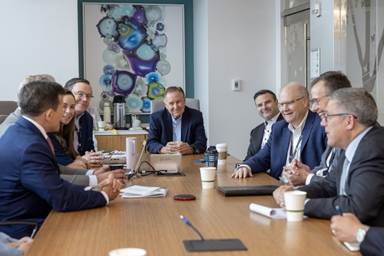
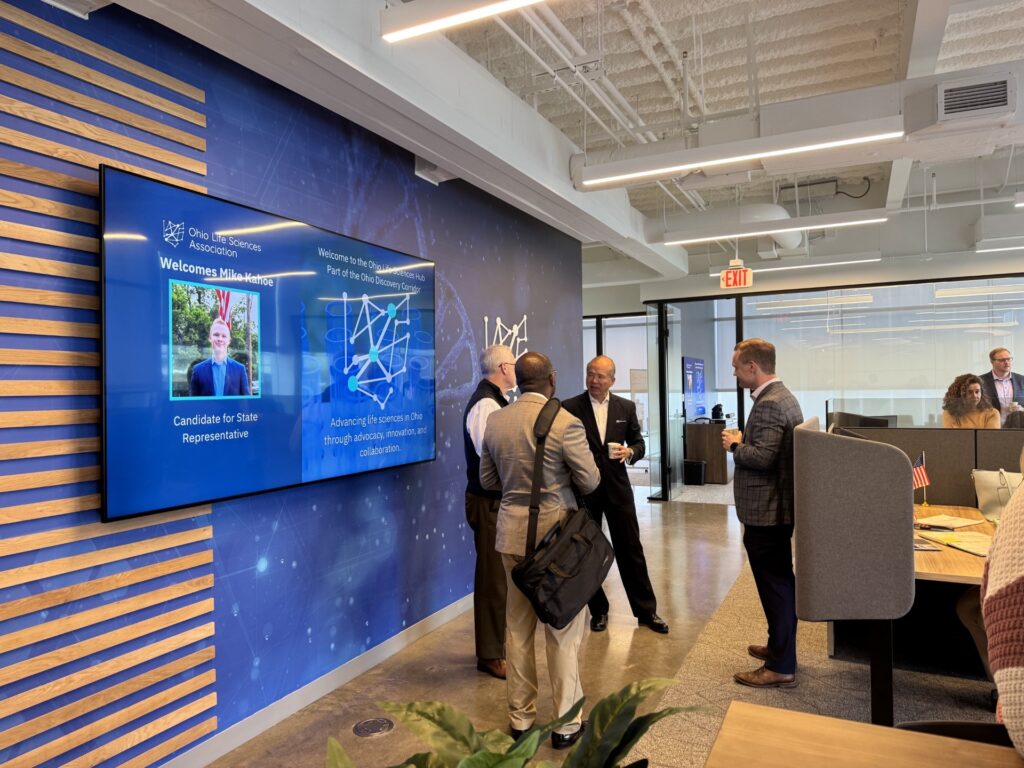
That point came into sharp focus during a recent conversation with Mike Kahoe, who is running for State Representative in Ohio’s 31st District. Mike is genuinely interested in how to keep and grow opportunity here in Ohio, and he asked thoughtful questions about our work and our companies. As we talked, I realized how easy it is for those of us in the industry to default to our own language and assumptions, and how quickly that can create distance instead of connection.
Most of us are fluent in a vocabulary that makes sense inside our companies and labs: clinical phases, regulatory pathways, advanced therapies, and manufacturing CDMO scale-up. That language is useful when we speak to each other, but it is not always helpful when we sit down with a legislator, a school superintendent, a local business owner, or a high school student who is simply trying to understand the importance and value of this sector for their community and their future. They do not need to master our terminology; rather, they need a clear picture of why this sector matters in their everyday lives.
When we talk about life sciences, we should define it in simple, human terms. Therapeutics is the work of creating medicines that treat or cure disease, diagnostics is the ability to find and understand disease earlier, before it becomes a crisis, and tools and platforms are the behind-the-scenes engines that make discovery and treatment possible. Together, life sciences is the work of helping people live longer, healthier lives.
When people do not understand an industry, a few things happen. They do not see the full range of jobs it creates. They do not see themselves or their kids as having a place in it. They underestimate its impact on local businesses and neighborhood economies. And when that happens, it is harder for them to support the policies and investments that allow the industry to grow. If we do not explain life sciences clearly, we make it harder to secure the support needed to grow. When policymakers and stakeholders do not fully understand what life sciences are or why it matters, they are less likely to prioritize funding, policy, and long-term investment, which puts us at a disadvantage versus states that have been investing in this sector for years.
The reality is that life sciences is about much more than drugs, devices, and what happens in a clinic or hospital. It is also about trucks moving specialized materials, construction crews building facilities, technicians maintaining controlled environments, information technology professionals managing data, and students discovering career pathways they did not know existed. A truck driver hauling pharmaceutical ingredients across the country is part of this story. So is the facilities technician who keeps a biomanufacturing space running, the quality associate on a production line, and the high school graduate who starts on the manufacturing floor and wants to build a lasting and productive career.
Clear, simple language is necessary for attracting the capital, support, and momentum required to compete and win. When we translate our work into everyday terms, we not only make the economic story clearer, we also highlight the impact that our work will ultimately have on patients, the life-changing and life-saving treatments that people in this community are working on every day will change lives here in Ohio and far beyond, and Ohio is lucky and should be proud to have that kind of talent here.
This is why the way we talk about our work matters so much. When I meet with an elected official, I try to resist the urge to lead with industry-related detail. Instead, I focus first on what our work means in practical terms. How many people do we employ? What kinds of roles they fill, at what education levels? How our presence supports local businesses, schools, and tax revenue. How a specific program or policy could unlock more jobs, more training, and more long-term opportunities for the district. And I try to connect those facts directly to what matters most: the patients who will gain access to new therapies, earlier diagnoses, and better tools to manage or even cure disease.
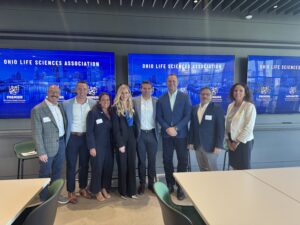
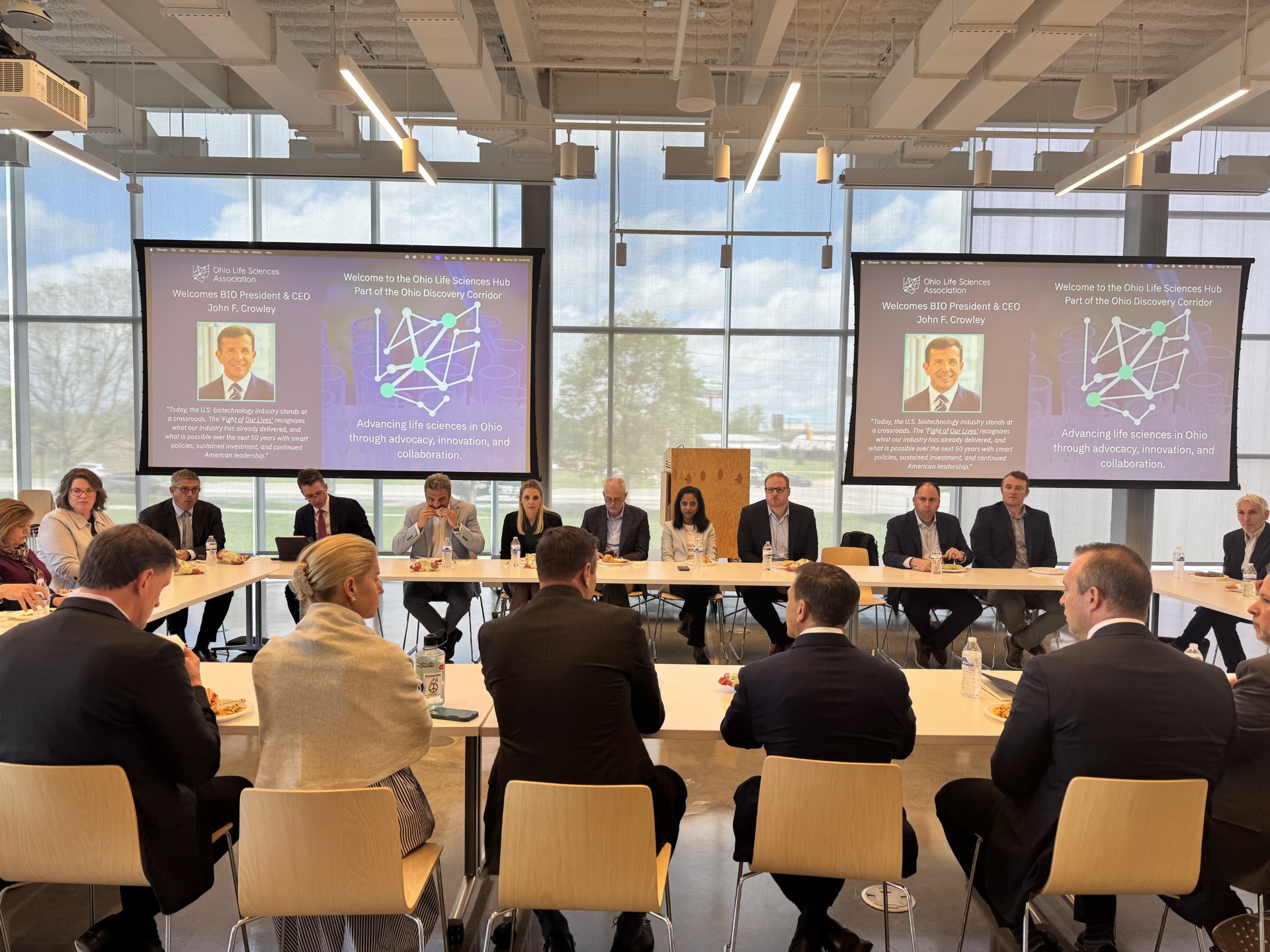
Ohio Life Sciences has created important opportunities to have these conversations, from advocacy day at the Statehouse to candidate and elected official events around the state. These forums matter. They bring our community into the same room with the people who help shape the environment in which we operate. But showing up is only the first step. Once we are in the room, we need to speak in a way that is clear, concrete, and grounded in the daily realities of the people listening.
My ask of our community is simple. The next time you are talking about your company or your research with someone outside the industry, try framing it in terms of people, places, and outcomes they can see. Talk about the jobs in their town, the students in their schools, the workers on their roads, and the patients in their hospitals. Explain how this industry creates opportunity for those who wear a lab coat and for those who never will, and how the discoveries and products you are developing today may become the therapies that help their parents, their children, or their neighbors live longer, healthier lives.
If we do that consistently, we will not only strengthen our relationships with elected officials, but we will also help our neighbors understand that life sciences is not an abstract or distant sector. It is a community asset and a source of opportunity that reaches far beyond the lab, and it is worth understanding, supporting, and growing together.